Williams Bay, Wisconsin
Wood Framing Mold Removal in Williams Bay
Wood framing mold removal in Williams Bay cleans, treats, and dries exposed studs and joists, allowing the structure to be sealed without costly replacement of the lumber.
When you call
What happens when you call Williams Bay's 24/7 line
Call (844) 352-3560 any hour. The line is answered 24/7 and insurance is accepted.
The process
The Wood Framing Mold Removal process in Williams Bay, WI
Assess
A probe and moisture meter check the depth of discoloration and the structural integrity of the wood framing.
Clean
Surface mold and staining are removed using HEPA sanding or soda media blasting, selected based on wood type and access.
Treat
An EPA-registered antimicrobial is applied to the treated surfaces to help inhibit future regrowth.
Verify dryness
The framing must reach a specific, documented moisture reading before being cleared for enclosure.
Document
Photos and moisture logs for the treated framing are kept on file for records or insurance purposes.
Why Williams Bay homeowners call
Wood Framing Mold Removal done to the IICRC S520 standard in Williams Bay, WI
Framing is preserved when salvageable
Cleaning and treatment are prioritized over replacement when the wood's condition allows, minimizing the scope of rebuilding.
HEPA-filtered cleaning techniques
Sanding and media blasting employ filtration to capture dust and spores, preventing their spread into the home.
Identification of rot, not just staining
Probe and moisture checks identify wood needing more than surface cleaning before it is enclosed behind new materials.
Documented, accountable process
Photos, moisture logs, and a written scope for the treated framing are retained for insurance claims or future reference.
When to call
When to book Wood Framing Mold Removal in Williams Bay
- Drywall removal reveals stained studs behind it
- Joists in a crawl space display fuzzy white or grey growth
- A slow, undetected leak persisted inside a wall for months
- The sill plate near the foundation registers wet on a meter
- A rebuild is planned and the framing has not been cleared
- Attic sheathing and rafters show black staining near the ridge
Any one of these is reason enough to call (844) 352-3560, the line is answered 24/7.
Scope of work
What the crew removes and treats in Williams Bay homes
Wall studs
HEPA-sanded, then coated with an EPA-registered antimicrobial
Floor and ceiling joists
Media blasted in tight spaces, then treated
Sill plate
Closely probed for rot, cleaned, and dried
OSB and plywood sheathing
Lightly sanded; delaminated sections are cut out
Encapsulant coating
Applied where framing retains slight discoloration after sanding
Not sure how far the damage runs? Describe it on the phone at (844) 352-3560, the line is answered 24/7.
By location
Wood Framing Mold Removal by city
Wood Framing Mold Removal covers Williams Bay and the whole Walworth County area. Pick your city for local detail and pricing.
Where the crews work
Wood Framing Mold Removal across Williams Bay & the Walworth County area
From Williams Bay out to Fontana, Como, Walworth, and the Walworth County area. The same crews, the same 24/7 line.
What it costs
Mold removal cost in Williams Bay, WI
Every job is different, so these are the typical Wisconsin ranges. They are planning numbers, not a quote. Your price depends on how much mold there is, where it is, and what caused it.
A single moldy spot, a closet, or under a sink. The crew seals it off, removes it, and treats the surface.
A bathroom, kitchen, or bedroom with mold on a wall or ceiling, plus the moisture source fixed.
Larger areas that need more containment and drying. Common here after spring rain or a slow leak.
Mold across several rooms or after major water damage. The work runs in phases, room by room.
The surest way to get a firm number is to call and have the crew walk the space with you. Want a ballpark first? Try the instant mold remediation cost calculator. Filing a claim? Insurance is accepted and the contractor works with your carrier, so read the mold insurance claims guide.
Time and scope
How long Wood Framing Mold Removal takes in Williams Bay, and what is included
How long the job takes
Cleaning the wood typically takes one day. Drying the framing to its target moisture reading extends the timeline, especially in crawl spaces or exterior walls that release moisture slowly.
What is included, what is booked separately
- Probe and moisture assessment of every exposed framing member
- HEPA sanding or soda media blasting of affected framing
- EPA-registered antimicrobial treatment, with encapsulant if needed
- Drying the framing to a documented moisture target
- Photo and moisture logs of the treated framing
Booked separately: Structural repair and rebuild, Wall and drywall mold removal, Crawl space encapsulation.
For a firm schedule and a written scope, call (844) 352-3560, the line is answered 24/7.
On the job
Mold remediation work in Williams Bay homes
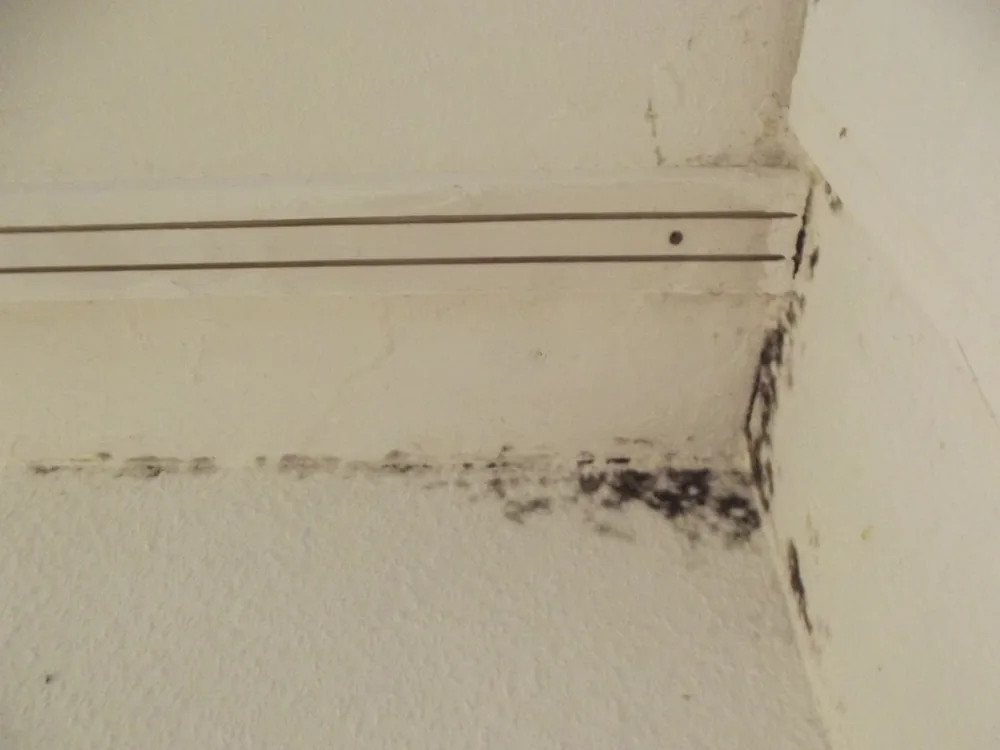

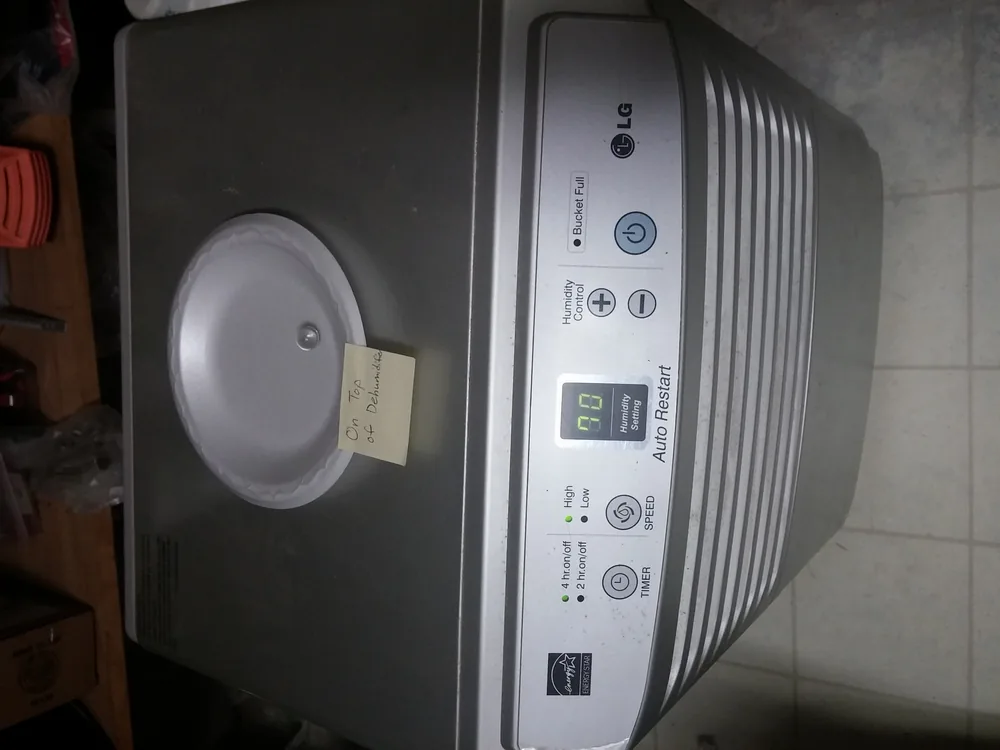
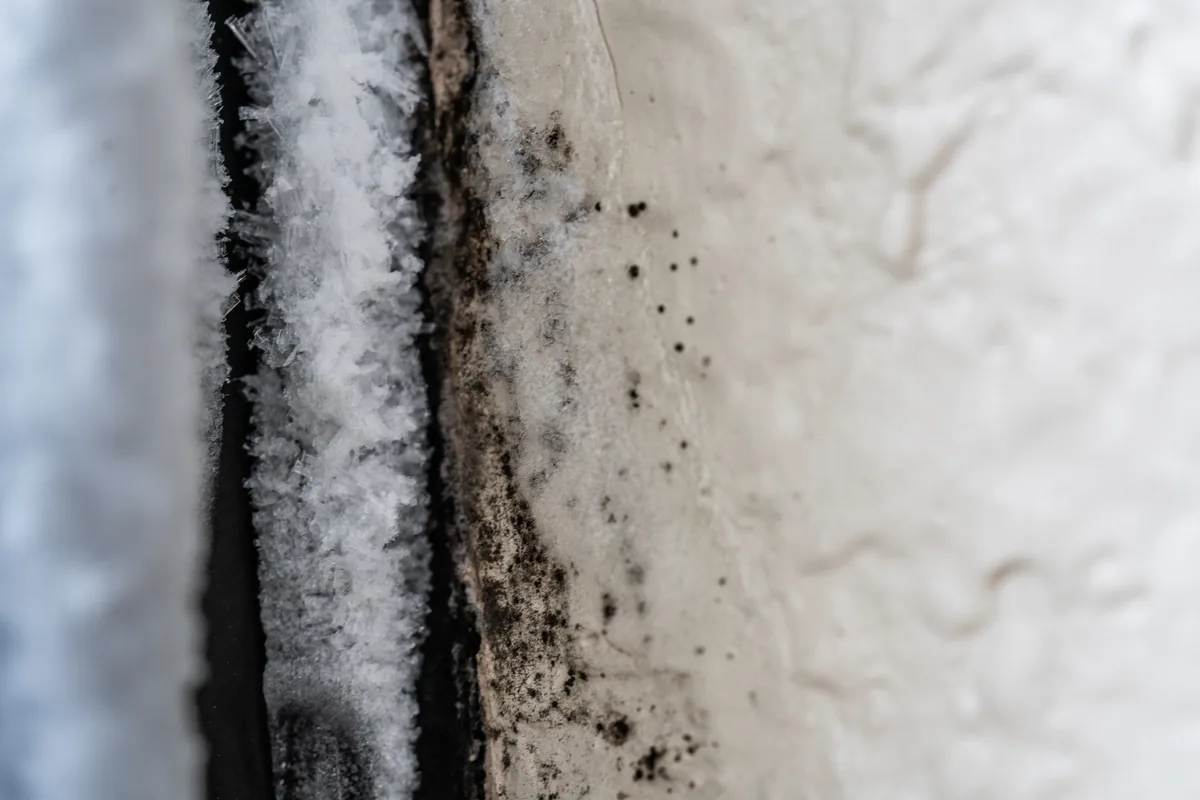

Framing Differs From Drywall and Insulation
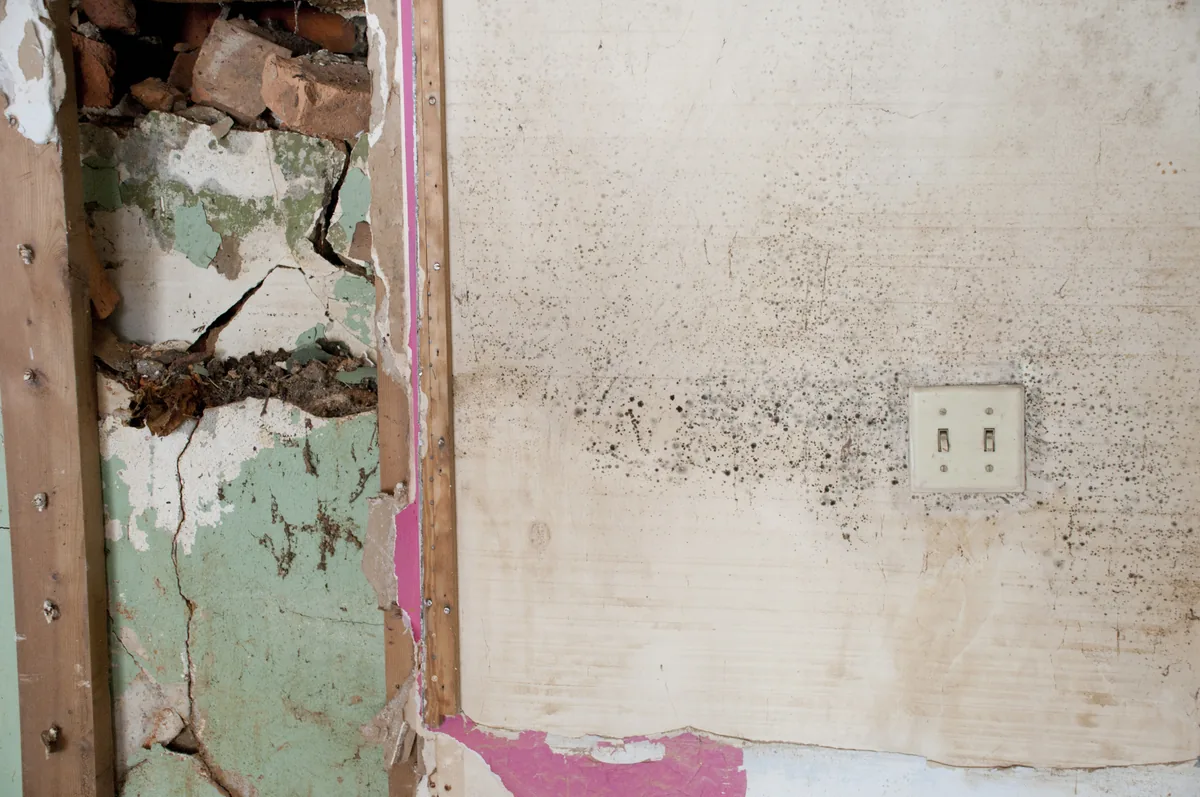
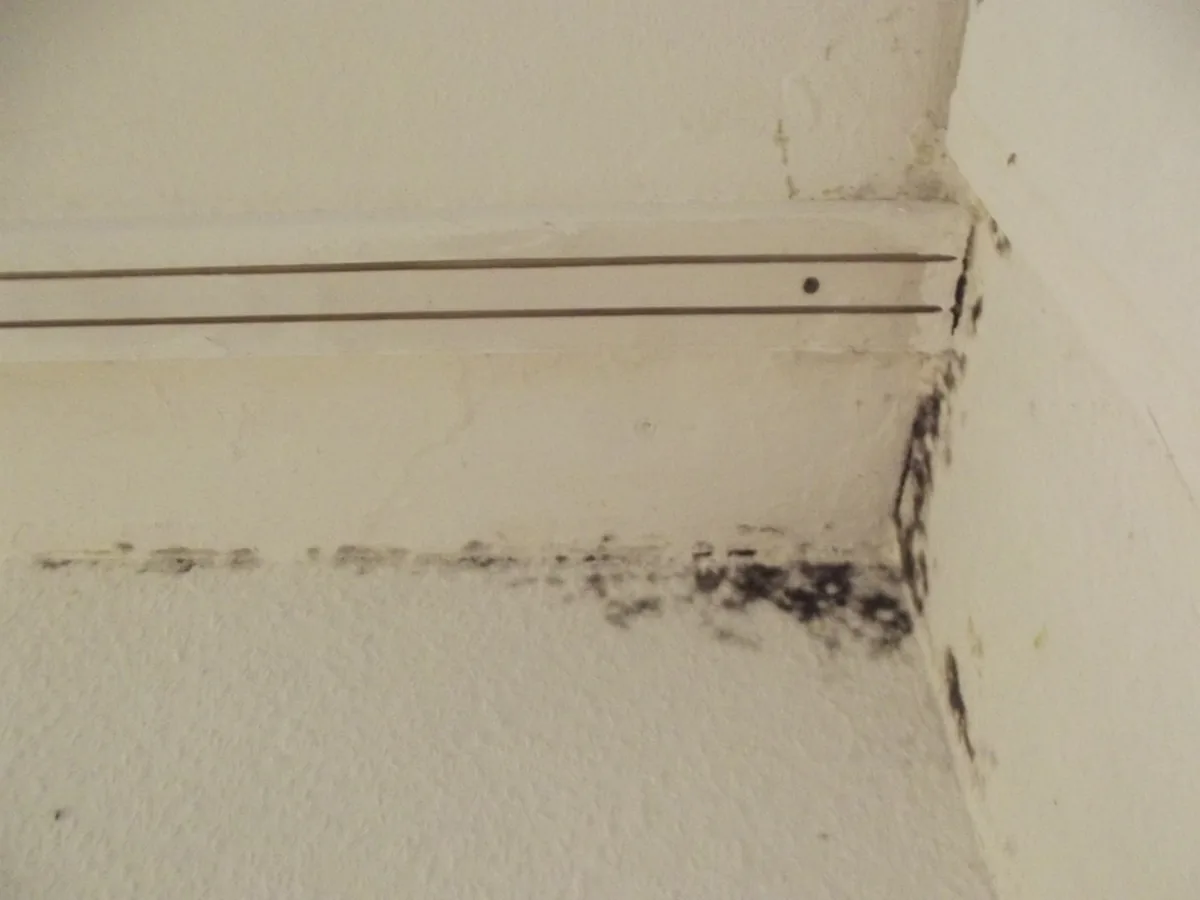
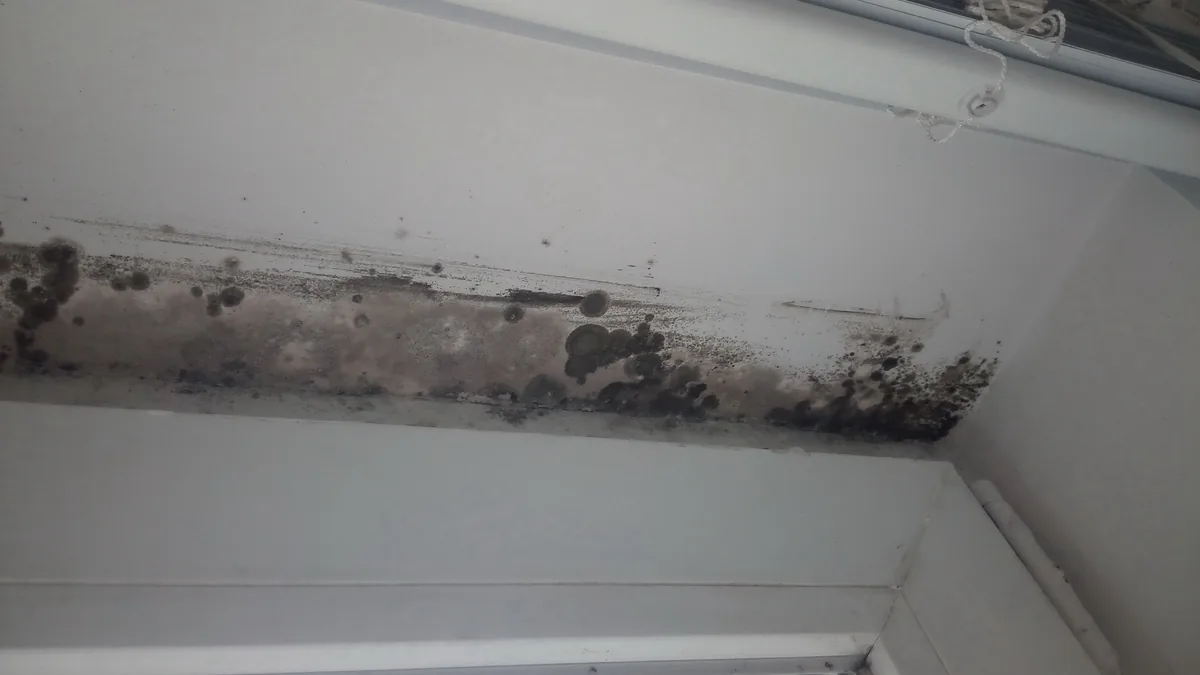
When drywall is removed during remediation, the exposed structural skeleton, studs, joists, and sill plates, is revealed. This dense wood typically confines mold to the surface, unlike drywall where it penetrates deeper.
This is advantageous, as it often allows for treatment instead of replacement, avoiding a more extensive and costly structural project.
An exception occurs when wood has been wet for an extended period, potentially from an undetected leak, leading to softening or rot. This raises structural concerns beyond mold remediation.
Load-bearing framing receives additional scrutiny during assessment to ensure structural soundness is confirmed before cleaning proceeds.
For independent guidance on mold, moisture, and safe cleanup, see EPA: a guide to mold cleanup and moisture control and EPA: mold remediation in schools and commercial buildings.
Methods for Cleaning Structural Wood
HEPA sanding removes surface mold and staining from framing, while a filtered vacuum captures dust and spores to prevent dispersion.
For rougher or hard-to-reach framing, media blasting with a soft abrasive can strip mold without damaging the wood grain.
Following cleaning, an EPA-registered antimicrobial is applied to the wood surface to help deter future growth if moisture recurs.
Access determines the method. Open, gutted areas allow for sanding, while tight Williams Bay crawl spaces or attics often necessitate blasting due to space constraints.
When Framing Requires More Than Cleaning
Sometimes, what appears as surface mold on framing is early rot, identified by a probe and moisture meter. Softened, spongy wood does not respond to cleaning like solid lumber.
In such cases, the affected section is marked. Sistering new lumber alongside a compromised stud or joist is a structural repair, coordinated within the broader restoration scope.
- Surface staining on solid, firm wood: clean and treat
- Deep discoloration with soft, sponge-like texture: structural evaluation needed
- Sill plates near a foundation with chronic moisture: check closely, these take the most exposure
The Importance of This Step Before Rebuilding
Rushing to install new drywall before framing is fully clean and dry can lead to recurring issues once enclosed.
Framing must be visually clean and reach a documented moisture level before a wall or ceiling is approved for closure, safeguarding the subsequent rebuild.
Considerations for Wisconsin Framing Lumber
Many homes in the area were built with dense dimensional lumber, which can resist surface mold penetration better than some modern milling.
This does not make older framing immune, especially if repeatedly exposed to moisture, but surface growth that responds well to cleaning is often found more than lumber requiring replacement.
Each piece is evaluated individually. Age and lumber type provide context but do not replace direct assessment by the technician.
After the job
After the job: keeping it from coming back
Address the leak or grading issue that caused the framing to become wet before closing the wall.
Maintain crawl space humidity below 55 percent using a dehumidifier or vapor barrier.
Install an access panel where a slow leak was detected for future inspection.
Recheck the sill plate each spring after runoff events near the foundation.
If it shows up again, or a new leak starts, call (844) 352-3560, the line is answered 24/7.
Good to know
Wood Framing Mold Removal in Williams Bay, WI: common questions
Is moldy wood framing always replaced?
No. Solid framing lumber with surface mold can often be cleaned and treated. Replacement is for wood that is soft, rotted, or structurally compromised.
Is the antimicrobial treatment safe for the home?
EPA-registered antimicrobials are applied per label instructions, with ventilation during drying before enclosure.
How long before framing can be enclosed?
Timing depends on the wood's initial moisture and drying conditions, often several days. No enclosure is approved until the framing reaches its target moisture reading.
How is it determined if wood needs replacement versus cleaning?
A probe checks texture and firmness alongside moisture readings. Solid, firm wood with surface staining is cleaned; soft or spongy wood indicates rot and requires structural evaluation.
Can framing be treated without removing all the drywall?
Where drywall is already removed for other reasons, exposed framing is treated. Intact drywall is not removed solely to treat framing without signs of issues.
Related services
More mold services in Williams Bay, WI
Standards
Standards the work is done to in Williams Bay
Questions about the scope? Call (844) 352-3560, open 24/7.
Talk to the mold removal team now
Need Wood Framing Mold Removal in Williams Bay, WI?
Call the 24/7 line and a local crew gets the problem contained fast, then removed the right way, to the IICRC S520 standard. A visit is often set the same day.